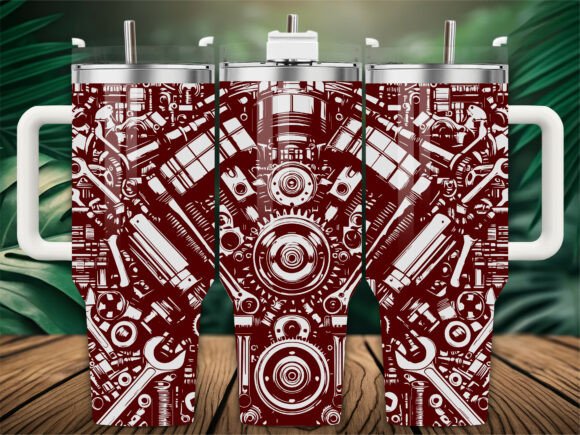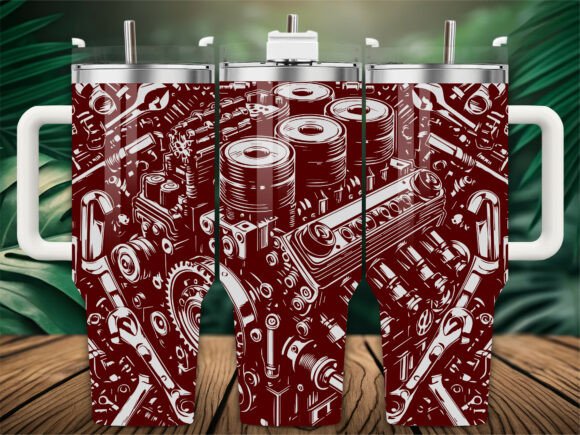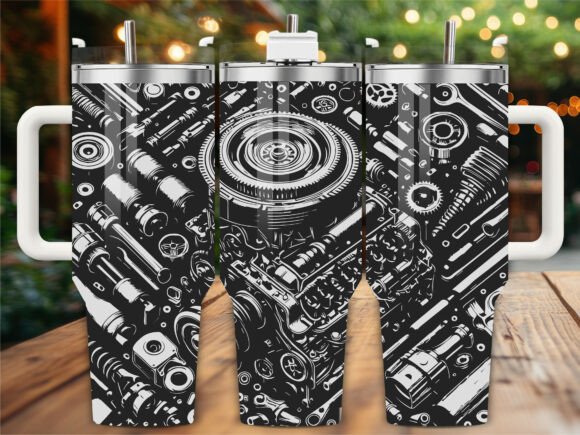
Gear Engine Embroidery Design Review
First Impressions: A Mechanical Vibe with a Touch of Modernity
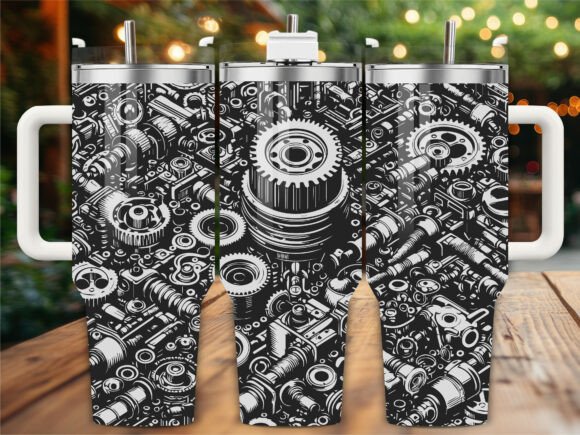
At first glance, Gear Engine brings a sense of industrial charm to the table. The design feels like it's pulled from a futuristic workshop or a steampunk-inspired collection. It has a strong geometric presence with clean lines and sharp angles that immediately evoke the idea of machinery and innovation. This makes it a natural fit for custom apparel, tote bags, or even embroidered patches that aim to convey a bold, mechanical aesthetic.
The visual personality is both professional and playful. It doesn't feel too heavy or overly complex, which is great for a variety of embroidery projects. I can see this design working well on sweatshirts, caps, or even baby items where a touch of whimsy meets functionality. Its layout suggests it was created with precision in mind, making it ideal for those who value clarity and detail in their embroidery work.
Real-Life Use: How Gear Engine Stands Up in Practical Projects
Imagine preparing a custom embroidered tote bag for a boutique or small shop product line. Gear Engine would add a unique flair to the design without overwhelming the fabric. The level of detail is just right—enough to catch the eye but not so intricate that it becomes difficult to stitch on standard materials.
This design works particularly well for commercial embroidery projects. Whether you're creating personalized gifts, holiday items, or merchandise for a craft fair, Gear Engine offers a versatile base that can be adapted to different themes. For example, using it as a backdrop for a name or logo could elevate the overall look of a handmade product significantly.
When applied to sweatshirt embroidery, the design maintains its integrity without appearing too rigid. It also translates nicely into applique designs, especially when paired with satin stitch or fill stitch techniques. On lighter fabrics, the contrast between the design and the background is clear and visually appealing. However, if using dark fabric, it’s essential to test the thread color contrast first.
Where to Use with Caution: Practical Considerations
While Gear Engine is a solid choice for many projects, there are some scenarios where extra attention is needed. For instance, when working with small hoop sizes or textured fabrics, the design might require adjustments to ensure stitch density remains consistent and details stay intact. Thin or stretchy fabrics may need additional stabilizer to prevent distortion during stitching.
Care should also be taken when placing the design on curved surfaces such as caps or hats. The geometry of Gear Engine could become misaligned if not properly adjusted for the curvature of the item. Additionally, when using this design on layered garments or products that will undergo frequent washing, it’s important to confirm that the stitch density and thread quality are suitable for long-term durability.
For detailed corners or areas with tiny lettering, testing on scrap fabric first is highly recommended. This helps identify any potential issues before committing to the final project. If used on decorative accents or products requiring high visual appeal, ensuring the design aligns with the intended theme is crucial for maintaining brand consistency and customer trust.
Design Notes for Embroidery Professionals
Before diving into a full project with Gear Engine, consider these practical steps:
- Test on Scrap Fabric: Always start with a sample to check how the design looks and stitches on your chosen material.
- Check Thread Color Contrast: Ensure the thread colors complement the fabric texture and background, especially if using dark or light tones.
- Review Stitch Density: Adjust stitch settings based on fabric type and desired outcome to avoid overcrowding or under-stitching.
- Confirm Hoop Size: Make sure the design fits comfortably within your hoop size to prevent stretching or distortion.
- Inspect Small Details: Look closely at the design to spot any elements that might not translate well onto smaller or more delicate surfaces.
- Test in Black and White Mockups: This helps visualize how the design will appear on different fabric backgrounds.
- Use Proper Stabilizer: Especially when working with stretchy or thin fabrics, stabilizer can make all the difference in the final result.
- Check Licensing Terms: Before selling finished items or digital products, confirm whether the design allows for commercial use.
Gear Engine is a valuable addition to any embroidery designer's toolkit, especially for those targeting markets that appreciate modern, mechanical aesthetics. It offers a balance of style and functionality that can enhance everything from handmade products to boutique branding. As with any machine embroidery design, taking the time to test and adapt the file ensures the best possible outcome for your finished product.